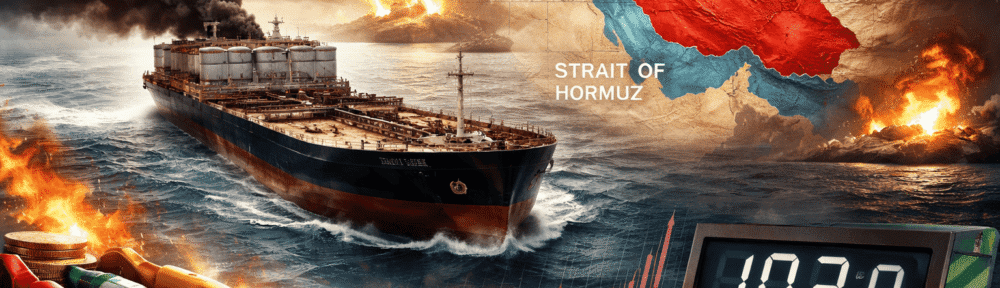
The ongoing war involving Iran has quickly become one of the most significant geopolitical developments in 2026. While the fighting is happening thousands of kilometers away, the economic effects could reach almost every country, including the Philippines.
From oil prices to food costs and inflation, wars in the Middle East often affect the global economy almost immediately. That is because the region is one of the most important sources of energy in the world.
The situation has become even more serious because one of the world’s most critical oil shipping routes is now heavily disrupted.
The Strait of Hormuz Crisis
At the center of the global economic concern is the Strait of Hormuz, a narrow waterway between Iran and Oman that connects the Persian Gulf to the open ocean.
This route is extremely important because around 20 percent of the world’s oil supply normally passes through it.
Since the war escalated in late February 2026, tanker traffic in the strait has collapsed dramatically.
Daily tanker traffic dropped from about 37 ships per day to almost zero after the conflict began.
Iranian forces also warned ships that passage through the strait was not allowed and threatened attacks on vessels entering the area.
Because of these threats and attacks on ships, many shipping companies have stopped sending tankers through the region.
In practice, this means one of the world’s most important oil routes is effectively shut down.
Mines and Attacks on Ships
The disruption is not just political. There are also real security threats in the water.
Iran has been accused of laying naval mines in the strait, which could severely damage or sink commercial ships.
In response, the United States military reportedly destroyed several vessels believed to be used for laying mines near the strait.
There have also been direct attacks on ships in the region. In one incident, a cargo vessel was hit by a projectile and caught fire while passing through the strait.
Because of these dangers, many oil tankers are staying outside the Persian Gulf or waiting in nearby waters until the situation becomes safer.
Oil Prices Are Already Rising
Whenever supply becomes uncertain, oil prices react quickly.
After the Strait of Hormuz crisis began, oil prices surged above 100 dollars per barrel, reaching levels not seen in several years.
Energy markets remain extremely volatile as traders try to estimate how long the disruption might last.
Some oil producers are now trying to reroute shipments through pipelines or other ports, but these alternatives cannot fully replace the massive volume of oil that normally passes through the strait.
Higher Oil Prices Mean Higher Inflation
Oil is used in far more than just gasoline.
It affects almost every part of the global economy, including:
Transportation
Electricity generation
Manufacturing
Plastics production
Fertilizers used in agriculture
When oil prices rise, companies pass those costs on to consumers.
That means people may eventually face:
Higher fuel prices
Higher electricity costs
More expensive food
More expensive transportation
This is why geopolitical conflicts in oil-producing regions often trigger global inflation.
Food Prices Could Also Rise
Energy prices are closely connected to food production.
For example:
Fertilizers are made from natural gas and petroleum
Farm equipment runs on diesel
Food transportation depends heavily on fuel
Because of this, rising energy costs can eventually lead to higher grocery prices.
Some industries are already experiencing disruptions because key raw materials and chemicals that normally move through the Gulf region are being delayed.
Possible Impact on the Philippine Economy
The Philippines imports most of its oil supply, which means global oil shocks usually affect the country quickly.
If the war continues and oil prices remain elevated, Filipinos could experience several economic effects.
1. Higher Fuel Prices
Gasoline and diesel prices may increase at local gas stations. Transportation costs could rise across the economy.
2. Higher Food Prices
Food inflation could rise due to higher logistics costs and farming expenses.
3. Higher Inflation
The Bangko Sentral ng Pilipinas may face additional pressure if global energy prices continue rising.
4. Slower Global Growth
If the conflict drags on, global economic growth could slow due to rising costs and uncertainty.
A weaker global economy can eventually affect exports, investments, and employment.
What Happens Next?
Right now, the biggest question is how long the Strait of Hormuz disruption will last.
Military forces are exploring ways to escort ships safely through the area, but the situation remains dangerous because of mines, missiles, and drone attacks.
Until shipping becomes safe again, global energy markets will likely remain unstable.
Blogger’s Corner
The Iran war shows how fragile the global economy can be.
A single chokepoint like the Strait of Hormuz can influence energy prices, inflation, and economic stability across the entire world.
For countries like the Philippines that rely heavily on imported oil, disruptions in global supply chains can quickly translate into higher living costs.
This is why global conflicts are not just geopolitical events. They are also economic events that can affect everyday life.